Mass Save does not pay for electrical work on its own. Its 2026 rebates attach to energy upgrades, mainly heat pumps, and the electrical work that makes them possible. A qualifying whole-home air-source heat pump can earn up to $8,500 back, income-eligible households can get up to $16,000, and some income-eligible offers also cover the panel work a heat pump needs. EV charger rebates are separate and come from your electric utility. Here is how each piece works and where the electrician fits in.
- Mass Save rebates attach to upgrades like heat pumps, not to panel or wiring work done on its own.
- 2026 whole-home air-source heat pump rebate: $2,650 per ton, up to $8,500. Income-eligible: up to $16,000.
- Income-eligible offers can include the electrical panel updates a heat pump needs. Confirm eligibility first.
- EV charger rebates come from National Grid or Eversource, not Mass Save, and now require managed charging enrollment.
- 2026 heat pumps must be installed by December 31, 2026. Paperwork is due by February 28, 2027.
Does Mass Save pay for electrical panel upgrades?
Not on its own. A panel or service upgrade done because your breakers trip, or because you are remodeling, does not earn a Mass Save rebate. The exception is income-eligible households: Mass Save’s enhanced and no-cost heat pump offers can include the electrical panel updates needed to run the new system. Eligibility is based on household income, and you start with a no-cost Home Energy Assessment.
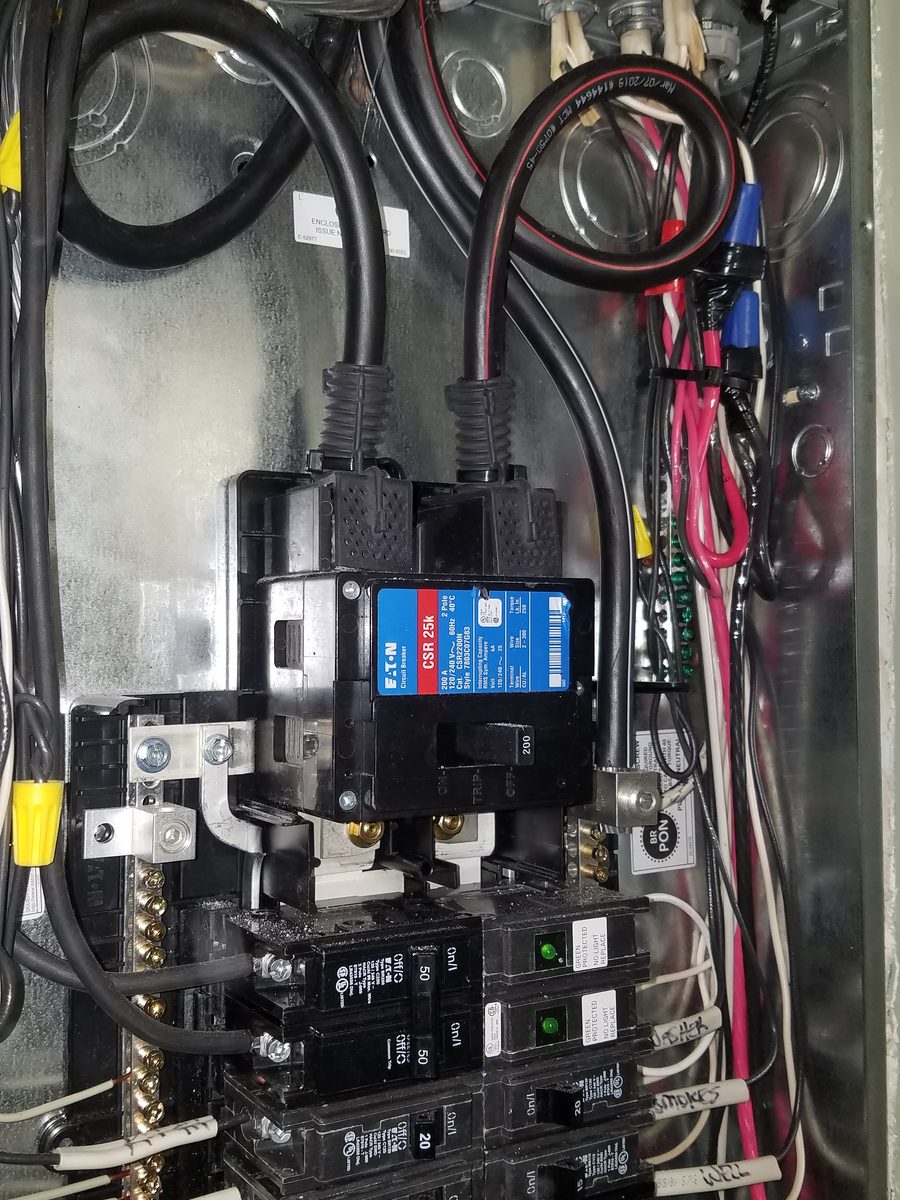
For everyone else, plan the panel as part of the heat pump project rather than as a separate job. Before any equipment is ordered, we run a load calculation to see whether your existing service can carry the heat pump. Sometimes it can, sometimes you need new circuits only, and sometimes the panel has to be upgraded first. Our guide to the signs you need a panel upgrade explains what we look for, and our electrical panel upgrade page covers the work and typical pricing.
What Mass Save rebates apply to heat pumps in 2026?
Heat pumps are the biggest electrical-adjacent incentive in Massachusetts. Mass Save’s 2026 air-source heat pump rebates are paid by system size (tons):
| 2026 air-source heat pump rebate | Amount | Who it fits |
|---|---|---|
| Whole-home | $2,650 per ton, up to $8,500 | The heat pump is the home’s main heating and cooling |
| Partial-home | $1,125 per ton, up to $8,500 | The heat pump works alongside an existing heating system |
| Basic | $250 per ton, up to $2,500 | Systems that do not replace your existing heat |
| Enhanced (income-eligible) | Up to $16,000 | Households that qualify by income; some get no-cost installs |
Equipment has to be on the Mass Save Qualified Products List and installed by a participating installer, must meet ENERGY STAR Cold Climate criteria, and whole-home rebates require the house to be sufficiently weatherized. Check the current requirements on the Mass Save heat pump page before you sign for equipment.
The heat pump contractor handles the equipment and the rebate form. A heat pump still needs a dedicated circuit, a disconnect, wiring sized for the unit, and sometimes more panel capacity, and that is the electrician’s part. We coordinate with your heat pump installer so the electrical work is permitted, inspected, and ready when the equipment arrives.
Who qualifies for the income-eligible rebates?
Mass Save’s enhanced and no-cost offers are based on household income and household size. The limits change, so the fastest way to know is Mass Save’s online income verification tool or a call to 1-888-714-3990. If you qualify, weatherization is free and the higher heat pump rebate applies when you are replacing oil, propane, or electric resistance heat. Details are on Mass Save’s enhanced heat pump rebates page.
Are there rebates for EV chargers?
Yes, but from your electric utility, not Mass Save. Both National Grid and Eversource run residential EV charging programs that mainly help pay for the wiring and panel work needed to add a Level 2 charger. For standard customers the rebate is typically up to about $700, with larger amounts for income-eligible customers and those in Environmental Justice areas.
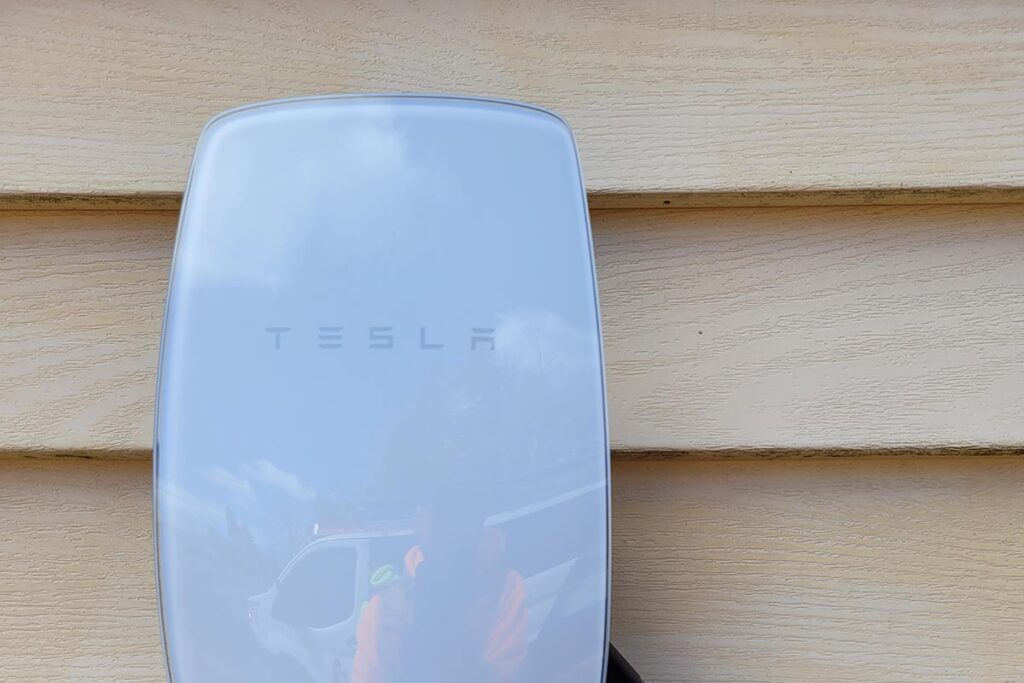
The fine print matters. The charger has to be a Wi-Fi smart charger on your utility’s approved list, and rebate recipients now have to enroll in the utility’s managed charging program, which shifts most charging to off-peak hours. National Grid’s 2026 program covers installs through December 10, 2026. We confirm the current rules for your utility before you buy a charger. Our EV charger installation cost guide and EV charger installation page cover pricing and the install.
What is the Mass Save HEAT Loan?
The HEAT Loan is 0% financing, not a rebate. It covers qualifying energy upgrades up to a total of $25,000 per customer. It is available through the Mass Save Home Energy Assessment program and is subject to the participating lender’s approval. It can be used together with rebates to spread out what is left. See Mass Save’s HEAT Loan page for current terms.
How do I claim these incentives?
Order matters. Skipping a step can cost you the rebate.
- Book a no-cost Home Energy Assessment through Mass Save. It is the starting point for income-eligible offers and the HEAT Loan, and it is one way to show your home is weatherized enough for the whole-home heat pump rebate.
- Check income eligibility if you think you may qualify for enhanced rebates.
- Pick qualifying equipment and a participating installer for the heat pump, or an approved smart charger for an EV.
- Have the electrical side assessed so you know whether you need new circuits or a panel upgrade before equipment is ordered.
- Complete the work and keep every invoice, plus photos of the model and serial number plates.
- Submit on time. For 2026 heat pump installs, Mass Save needs the rebate form and documents by February 28, 2027. EV charger rebates go through your utility’s portal.
We handle the electrical work so it fits the program requirements and give you itemized invoices for your application. The rebate application itself goes through Mass Save, your heat pump installer, or your utility.
Planning electrical work? Let’s line up the incentives
If a heat pump, an EV charger, or a panel upgrade is on your list, plan the electrical work and the incentives together. The team at Bergeron Electrical Contracting will look at your panel and the new load, tell you what the electrical side needs, and help you sequence the project so nothing gets left on the table. Every job is permitted and inspected; our electrical permits guide explains how that works. Call (508)-735-7245 or request a free estimate.
Bergeron Electrical Contracting. MA Master Electrician License #21807-A. Serving Worcester and Worcester County since 2006. This guide is informational; program terms change, so confirm current details with Mass Save or your utility.
Frequently Asked Questions
Does Mass Save give rebates just for hiring an electrician?
No. Mass Save rebates attach to qualifying energy upgrades like heat pumps. Electrical work done on its own, including a standalone panel upgrade, does not earn a Mass Save rebate.
Can I get help paying for a panel upgrade?
Possibly. Income-eligible households can have the panel updates a heat pump needs included in Mass Save’s enhanced offers. EV charger rebates from National Grid and Eversource also help with the wiring and panel work needed for a Level 2 charger.
How much is the Mass Save heat pump rebate in 2026?
Whole-home air-source heat pumps earn $2,650 per ton, up to $8,500. Partial-home systems earn $1,125 per ton, up to $8,500. Income-eligible households can get up to $16,000.
Is there still a federal tax credit for heat pumps, panels, or EV chargers?
No. The federal tax credits for heat pumps and panel upgrades ended December 31, 2025, and the home EV charger credit ended June 30, 2026. Mass Save rebates, utility EV rebates, and the HEAT Loan are the main incentives now.
What is the deadline for 2026 Mass Save heat pump rebates?
Equipment must be purchased and installed by December 31, 2026, and the rebate form and documents must be received by February 28, 2027.
Do these programs change during the year?
They can. Rebate amounts, equipment rules, and utility EV programs change, so we confirm current terms for your address and utility before you commit.