Yes, most electrical work in Massachusetts needs a permit. Under state law, anyone installing electrical wiring for hire has to file a permit with the local wiring inspector before the work starts, and the work is then inspected against the Massachusetts Electrical Code. Panel upgrades, new circuits and outlets, EV chargers, generator hookups, and remodel wiring all need one. That inspection protects your safety, your insurance, and your home’s record when you sell or refinance.
- Electrical work done for hire in Massachusetts needs a permit filed with your town’s wiring inspector.
- Panel upgrades, new circuits and outlets, EV chargers, generator hookups, and remodel wiring always need one.
- Whether a small like-for-like swap needs a permit varies by town. Ask your wiring inspector.
- Permit fees are set by each town, usually about $150 to $250 for typical residential jobs.
- The licensed electrician files the permit, schedules the inspection, and is responsible for the work meeting code.
| Electrical job | Permit needed? |
|---|---|
| Panel or service upgrade | Yes |
| New circuit, outlet, or switch location | Yes |
| Level 2 EV charger | Yes |
| Generator hookup or transfer switch | Yes |
| Addition, basement, or remodel wiring | Yes |
| Hot tub, pool, or hardwired appliance circuit | Yes |
| Like-for-like fixture or receptacle swap | Depends on your town; ask the wiring inspector |
What electrical work requires a permit in Massachusetts?
The rule comes from Massachusetts General Laws Chapter 143, Section 3L, which requires notice to the local inspector before electrical wiring is installed for hire. In practice, if a job adds, extends, or changes wiring or circuits, it needs a permit. That includes:
- Panel and service upgrades: replacing a breaker panel, going from 100 to 200 amps, or a new service entrance.
- New circuits, outlets, and switches: a dedicated kitchen circuit, garage outlets, new switch locations.
- EV chargers: the 240-volt circuit for a Level 2 charger.
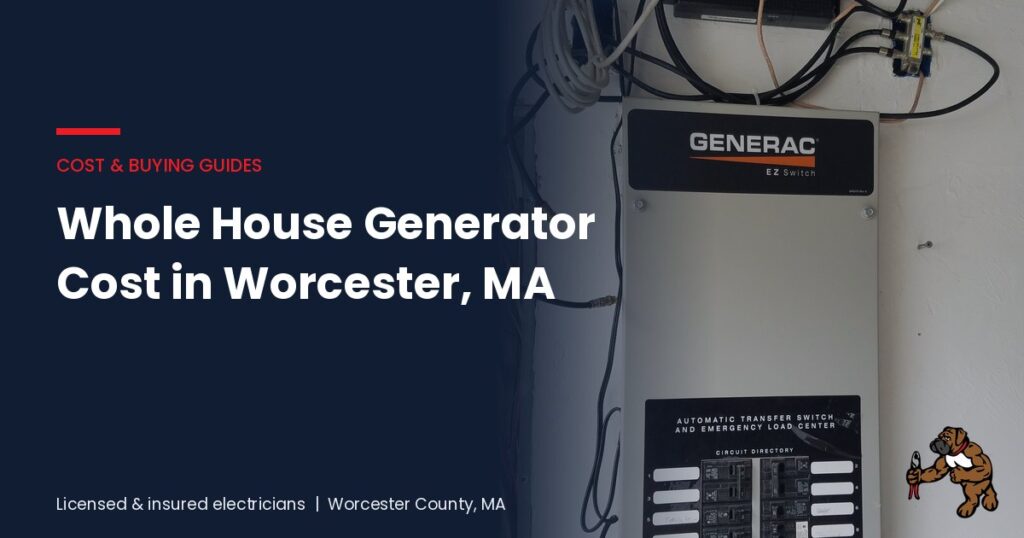
- Generator hookups: transfer switches, interlock kits, and inlet boxes. See our generator cost guide.
- Additions, basements, and remodels: new wiring, recessed lights, outlets, and circuits.
- Hot tubs, pools, and hardwired appliances: outdoor wiring and dedicated appliance circuits.
When we take on a job, we file the permit and coordinate the inspection, and the permit is part of the estimate. Our electrical wiring service covers new circuits, remodels, and rewiring.
Do small repairs like swapping a light fixture need a permit?
It depends on your town. Some wiring inspectors treat a like-for-like swap, such as replacing a light fixture or a receptacle on an existing circuit, as minor repair that does not need a permit. Others expect a permit for any electrical work done for hire. Adding a new fixture location, running new wiring, or installing recessed lights always needs one. If you are not sure, a quick call to your town’s wiring inspector settles it.
Can a homeowner pull an electrical permit in Massachusetts?
It depends on the town, and the law is not settled. Massachusetts has no clear statewide rule for homeowners doing electrical work on their own homes, and bills to clarify it have been filed in the Legislature. Some towns issue homeowner electrical permits, sometimes with conditions such as a letter from your insurance company. Others will only issue electrical permits to licensed electricians.
Two things are clear. Any homeowner allowance covers only work you do yourself on a home you own and live in. Work you pay someone to do must be done by a licensed electrician, who files the permit. If you are thinking about doing your own work, ask your wiring inspector first. For panel, service, and new circuit work, hiring a licensed electrician is the safe choice.
How much does an electrical permit cost in Massachusetts?
Each city or town sets its own fees, so they vary across Worcester County. For typical residential jobs, expect about $150 to $250. Larger projects, like a service upgrade or a full rewire, can cost more depending on the scope and the number of inspections. Some towns charge a flat fee per inspection; others base it on the size of the job.
Our electrician cost guide for Worcester lists typical prices for common jobs.
How does the electrical inspection process work?
- The electrician files the permit with your town’s wiring inspector before work begins, on the state’s uniform permit application.
- The work is done to code, following the current Massachusetts Electrical Code (527 CMR 12.00).
- A rough inspection happens on larger jobs, before walls and ceilings are closed, to check wiring and boxes.
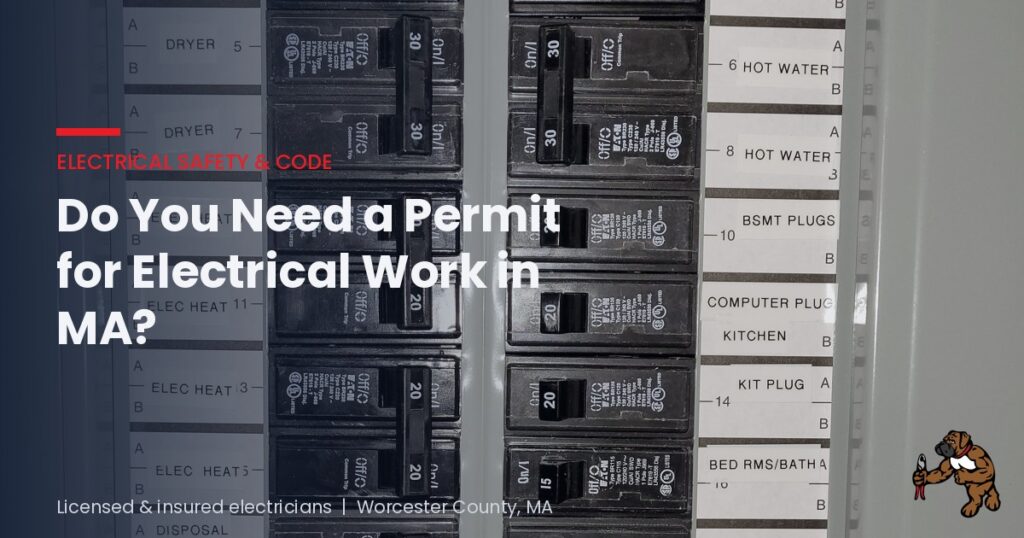
- A final inspection checks the finished work: connections, grounding, breakers, and panel labeling.
- The inspector signs off, and the approval becomes part of your home’s record with the town.
That record is the point. When you sell, refinance, or file an insurance claim, permitted and inspected work is documented. On a service upgrade, the utility also will not reconnect the new service until the inspector approves it.
Do I need a permit to replace my electrical panel?
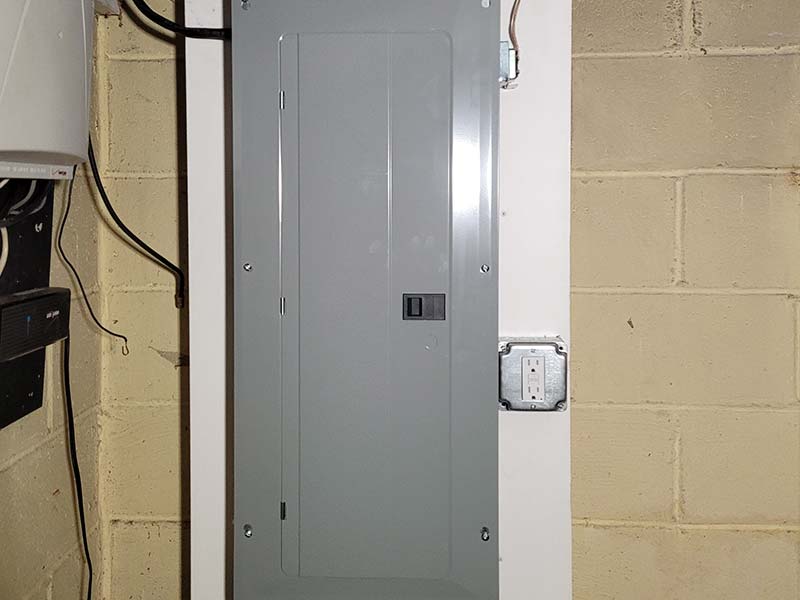
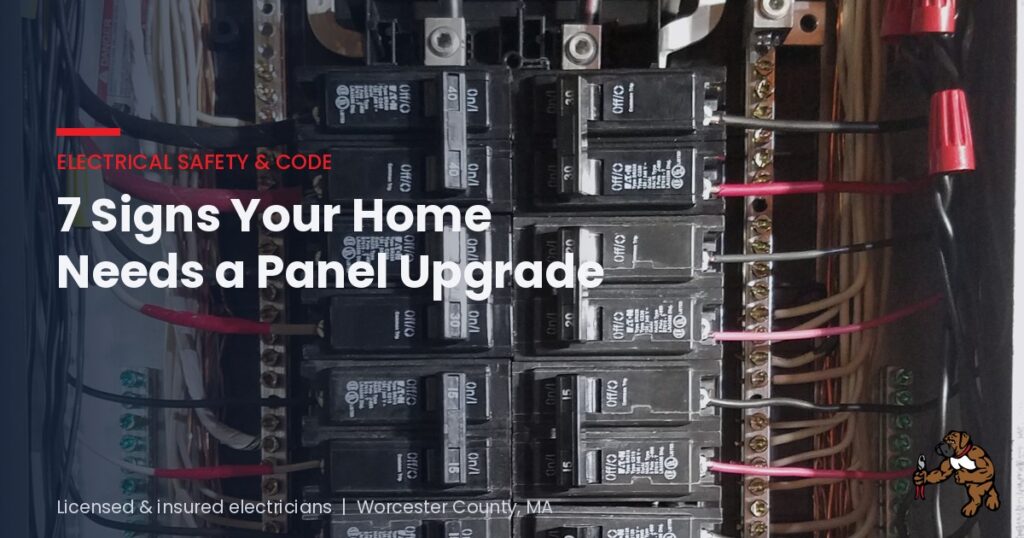
Yes, always. A panel replacement or service upgrade needs a permit and inspection, and inspectors look at it closely because the panel is the heart of the system. The inspector checks grounding and bonding, breaker sizing, labeling, and connections, and the utility coordinates the disconnect and reconnect around that approval. A typical 100-amp to 200-amp upgrade in Worcester County runs about $4,500 to $6,500. See our guide to the signs you need a panel upgrade and our electrical panel upgrade page.
Do I need a permit to install an EV charger?
Yes. A Level 2 charger needs its own 240-volt circuit, and that circuit needs a permit and inspection. The inspector checks wire and breaker sizing, grounding, and any required GFCI protection. Utility EV charger rebates also expect a properly installed, qualifying charger. A typical install runs about $1,250 to $1,850. See our EV charger installation cost guide for what drives the price and current utility rebates.
Who is responsible for pulling the permit?
When you hire a licensed electrician, the electrician files the permit and schedules the inspections. You do not file anything. The electrician’s license goes on the permit, and the electrician is responsible for the work meeting code and for fixing anything the inspector flags. If a contractor asks you to pull the permit yourself for work they are doing, treat that as a red flag.
What happens if electrical work was done without a permit?
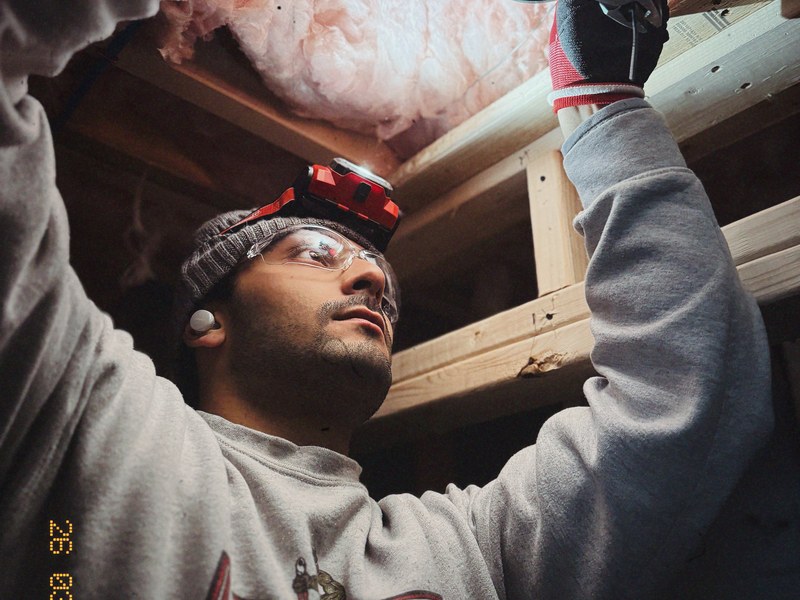
It is common in older Worcester County homes, especially finished basements, additions, and do-it-yourself projects from years ago. Unpermitted work is not automatically dangerous, but no one ever checked it. A buyer’s home inspector will often flag it, and buyers may ask for repairs, an electrician’s review, or a lower price.
If you suspect unpermitted work, have a licensed electrician assess it, correct anything that is not to code, and permit and inspect the corrections so the house has a clean record. Our onsite electrical assessment is a good first step, whether you are buying, selling, or just want to know what is behind the walls.
How long does it take to get an electrical permit?
For most residential jobs, the permit itself is quick, often the same day or within a few business days, depending on your town. Inspections are scheduled as the work reaches the rough or final stage, and smaller towns with part-time inspectors may take a bit longer. It rarely holds up a project that is planned ahead.
Have a project that needs to be done right?
Every job we do is permitted, inspected, and documented, with no shortcuts. That is part of the Bergeron Way, and it is why our work holds up when it matters. Call (508)-735-7245 or request a free estimate and we will walk you through exactly what your project needs.
Bergeron Electrical Contracting. MA Master Electrician License #21807-A. Serving Worcester and Worcester County since 2006.
Frequently Asked Questions
Do I need a permit to add an outlet in Massachusetts?
Yes. Adding an outlet extends a circuit or adds a new one, so it needs a permit and inspection, even for a single outlet in a garage or basement.
Do I need a permit to replace a light fixture?
It depends on your town. Some wiring inspectors treat a like-for-like fixture swap on an existing circuit as minor repair, while others expect a permit for any work done for hire. A new fixture location or new wiring always needs one.
Can I do my own electrical work in Massachusetts?
The rules for homeowners are unsettled and vary by town. Some towns issue homeowner permits for an owner-occupied home, others do not. Any work you pay someone to do must be done by a licensed electrician who files the permit. Check with your wiring inspector first.
How much does an electrical permit cost?
Fees are set by each town. Typical residential jobs run about $150 to $250, and larger projects like service upgrades can cost more.
Do electrical permits expire?
Permits are tied to active work, so a permit for a project that stalls can lapse. Each town handles this differently, so ask your wiring inspector if a job has been on hold.
What happens if I sell a house with unpermitted electrical work?
A buyer’s inspector will often find it, and the buyer may ask for repairs, an electrician’s review, or a lower price. It is usually easier to have the work assessed, corrected, and inspected before you list.